
Written by: Genny Behar
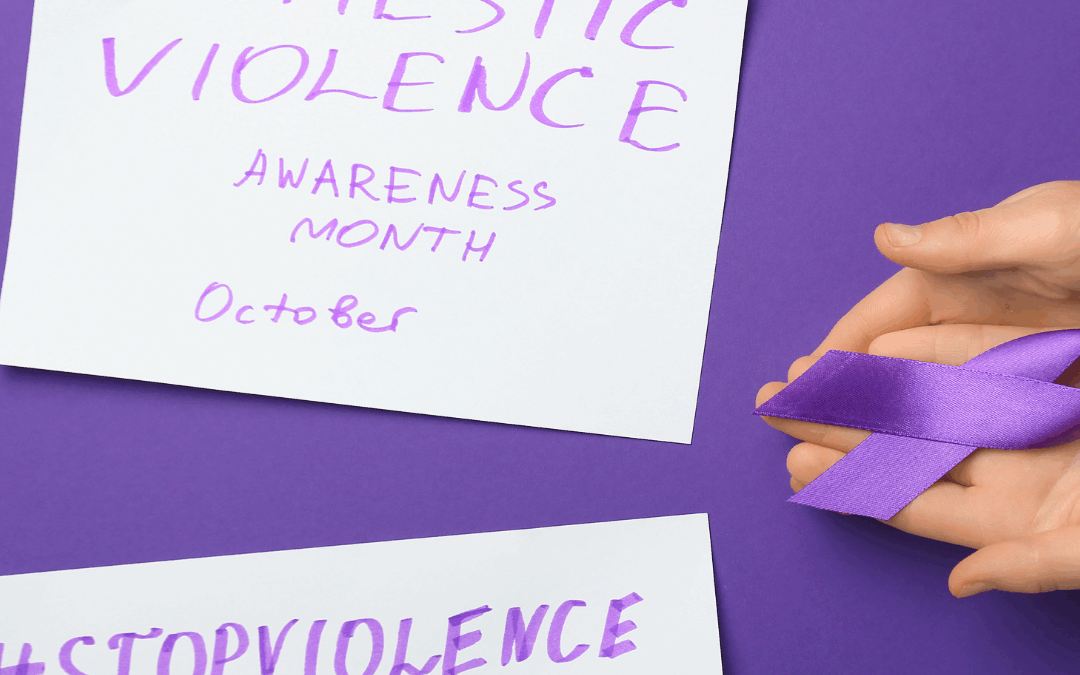
October is Domestic Violence Awareness Month. Everyone knows someone whose life has been impacted by domestic violence, whether we are aware of it or not. Statistics give us an idea of just how widespread the reach of DV is within our communities across the US.
Since October of 2018, Tides of Change alone has served over 1,840 survivors of domestic violence. Over the course of one year in the US, more than 12 million women and men report being victims of stalking, physical violence, or rape by an intimate partner or family member. That’s 1 in 3 women and 1 in 4 men in the US – about 24 people per minute – that have experienced intimate partner violence in their lifetime. In reality, the numbers may be far higher, as domestic violence data is known to be considerably underreported. This is largely due to fear, stigma, cultural and social pressures, widespread misinformation, as well as a lack of resources and funding for DV response and prevention.
Understanding our individual rights to consent and autonomy are at the core of being able to recognize healthy relationships:
Consent is willing, positive cooperation in an act or the expression of a desire to engage in an activity. Consent is not present if it is attained through coercion, force, pressure, threats, or intimidation. Consent is voluntary. Consent is informed. Consent is revokeable. Consent does not only apply for sex, but for every activity or situation. Your ability to consent or not consent is a human right.
Autonomy is the right to self-government; the right and ability to control one’s own actions, decisions, and body. We all have the ability to control our own behaviors and reactions – even when circumstances are beyond our control, and even if our actions are limited by someone or something else. When we are victimized, our innate rights to consent and autonomy are violated.
You are not alone if you think you, a friend or loved one may be experiencing intimate partner violence, domestic abuse, or an unhealthy relationship dynamic. Nearly 50% of all women and men in the US report having experienced psychological aggression by an intimate partner in their lifetime, and according to the US Advisory Board on Child Abuse and Neglect, domestic violence appears to be the single major precursor to fatalities from child abuse and neglect in the US. If you are choosing to use power and control or abusive tactics in your relationships and would like to choose differently, please contact Bridges 2 Success Domestic Violence Intervention Program at (800) 509-0794 or at https://www.bridges2success.com for more information.
If you or someone you know are concerned that power, control, and/or violence are being used in your relationships, there is hope for healing. At Tides of Change (ToC), we believe everyone deserves healthy and supportive relationships. ToC serves people of all genders with free, confidential advocacy services, counseling services, and support groups. Our services and our 24-hour helpline are available to anyone who has questions about their relationship and about what resources are available to them. ToC provides services for all stages of healing, both for present and past experiences. Tides of Change is located at 1902 2nd St, Tillamook, OR 97141. You can connect with us by calling 503-842-9486 or at www.tidesofchangenw.org. You are not alone, ToC is here to support you.
References:
Black, M.C., Basile, K.C., Breiding, M.J., Smith, S.G., Walters, M.L., Merrick, M.T.,
Chen, J., & Stevens, M.R. (2011). The National Intimate Partner and Sexual Violence Survey (NISVS): 2010 Summary Report. Atlanta, GA: National Center for Injury
Prevention and Control, Centers for Disease Control and Prevention.
http://www.unicef.org/protection/files/BehindClosedDoors.pdf