
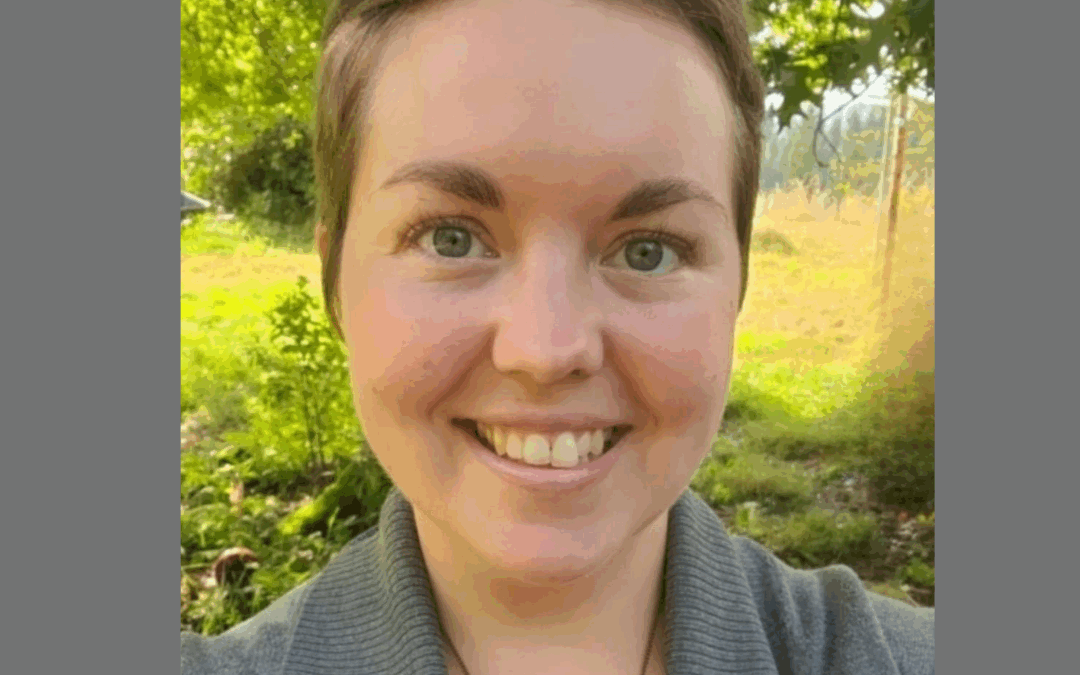
Interview with Mariah Decker
The well-being of our children is a shared responsibility, and it’s clear we must do more to support their mental health at home and in our schools. An effective education system goes beyond test scores and curriculum; it nurtures the whole child. It requires a community-wide commitment to build the “village” that truly raises a child.
A powerful approach focuses on each individual student and their unique needs, creating a classroom where kids feel loved and supported, regardless of their grades or behavior. This was the philosophy of former educator Mariah, who created a classroom where kids felt “loved” and where she would “do whatever she could to support them.” This approach was inspired by her own experience of feeling like she “slipped through the cracks” as a high-achieving student.
A critical component of this supportive environment, she noted, was the Tillamook School District’s Adverse Childhood Experiences (ACES) program, a “trauma-informed” initiative. This program, which is no longer in place, taught teachers and staff how to help children with significant emotional baggage. The goal wasn’t to turn teachers into counselors, but to create a space where kids felt calm enough to learn. As Mariah explained, when a child’s basic needs aren’t met, they “don’t feel safe” and “they’re not learning anything.”
However, creating this environment can be a challenge. Mariah highlighted the reality of teacher burnout, a struggle fueled by a lack of resources and support. She had to independently develop her own curriculum and even write grants to get basic classroom equipment, like a projector. “Not every teacher has the time to do that,” she noted. This highlights a critical need to better support educators, ensuring they have the tools and time to address students’ needs.
This responsibility doesn’t fall solely on schools. The modern world has seen the fading of the “village aspect,” leaving families feeling isolated. It’s crucial for the community to provide safe spaces and positive outlets for kids beyond school. Local organizations like the Tillamook YMCA and the Tillamook County Library are essential in filling this void. Mariah noted the Court 4 program at the YMCA that offers creative outlets for kids not interested in sports. These spaces offer children a sense of belonging and provide alternative avenues for self-expression and personal growth.
In a world where children are exposed to intense topics like suicide at alarmingly young ages, our collective action is vital. We must be a compassionate and proactive force that ensures no child feels alone. As Mariah noted, even when they’re moody teenagers, they still need us to check in and show up.